
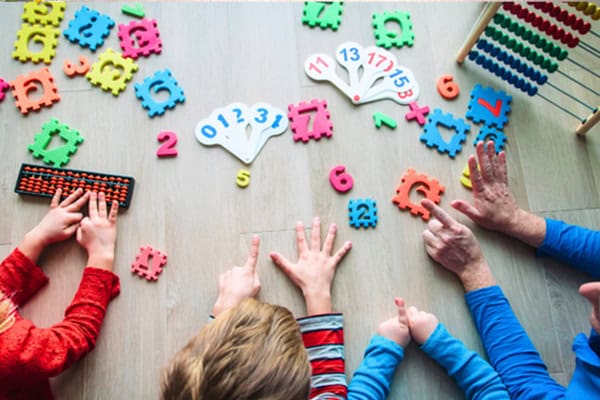
A card game, a bingo dauber, or a math challenge on the kitchen table can do what a formal meeting rarely can: it relaxes everyone in the room. Games give families a shared task, a reason to cheer, and — most importantly — something to talk about together. For educators, they’re one of the most natural tools for building genuine relationships with the families. Games can even help extend learning and increase survey response rates.
Here are a few ways to gamify your family engagement efforts:
- In Anchorage, families and students love playing BINGO with used Books for Prizes. Title Wave Books has donated used books to schools for free, and friends of the library bookstores often have low-cost options.
- Yakutat stocks a shelf of educational games families can check out, like library books. A simple sign-out sheet keeps it running — and keeps families talking about what they played.
- During the Iditaread event, students at Kaxdigoowu Heen Elementary in Juneau track their reading progress like mushers on the Iditarod Trail — every book read moves their “sled” closer to Nome.
- In Scammon Bay, each room hosts a different game or activity, like comparing (and then eating) slices of fruit. Teachers-Pay-Teachers has been a good source of materials and inspiration.
- BINGO can be a great icebreaker at family events. Fill a six-by-six game grid with questions like “find someone who… likes the same color you do; is new to the school this year; grew-up in this community, etc.”
- Story-building dice allow students and caregivers to roll together and co-create a tale — no reading level required, creativity celebrated at every level.
- Math lends itself to lots of games. For ideas, check out the National Association for Family, School, & Community Engagement’s Family Math resources.
- Prompt reading at home for a week or even a month with Scholastic’s Book BINGO or create your own.
- Consider gamifying the School Climate and Connectedness Survey by offering a reward, such as a pizza party or ice cream social, to the school with the highest response rates.
When a family plays a game, they’re also practicing how to learn together and how to be curious together.